Home Remodeling Made Effortless: A Detailed Manual for Homeowners
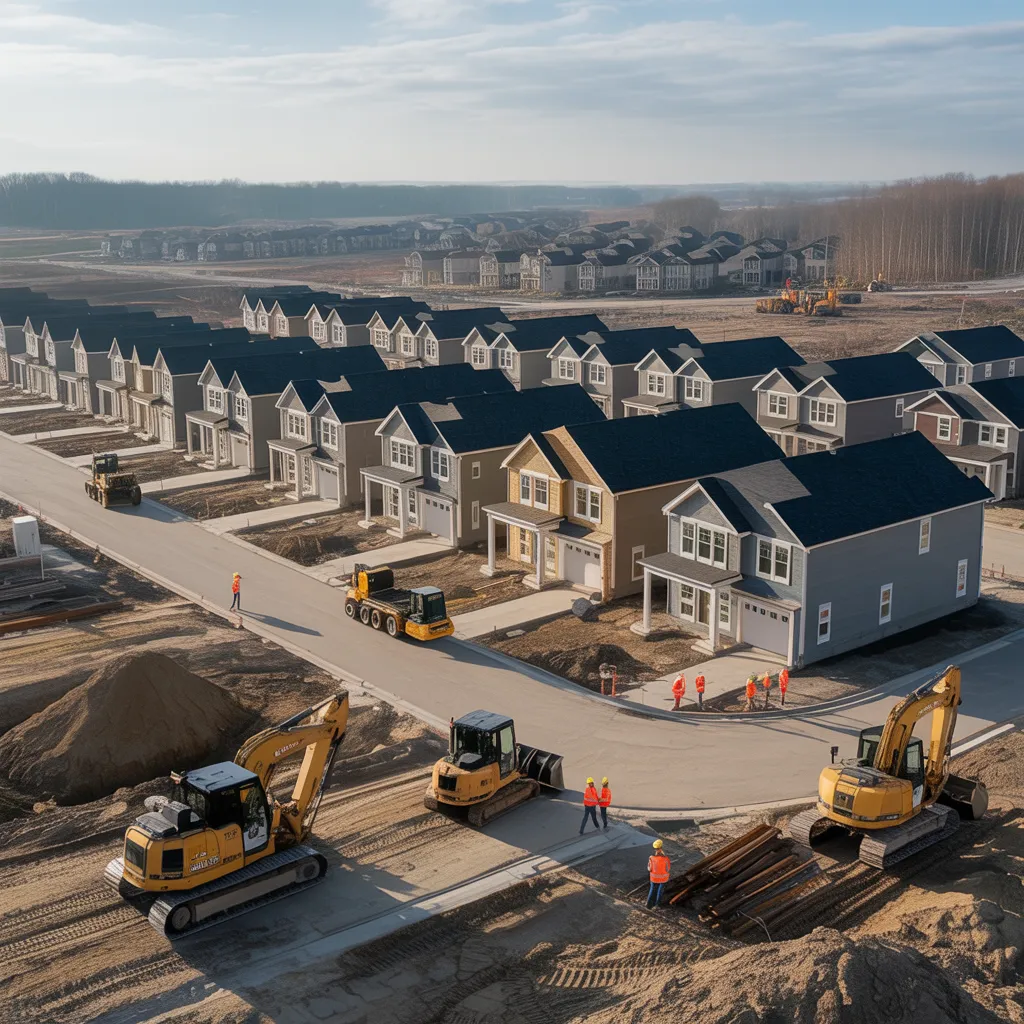
Home remodeling can be an intimidating task for many homeowners. Understanding one's needs and setting realistic goals is vital. A organized approach can make the process smoother and more streamlined. This guide offers valuable insights into budgeting, design, and choosing the right materials. Homeowners may find themselves considering the best methods for maneuvering these challenges. What essential steps should they evaluate to ensure a successful renovation of their living spaces?
Evaluating What You Need and Goals
When examining their needs and goals for home restoration, homeowners often wonder where to commence. The initial stage involves a detailed review of their current living situation and desired outcomes. Homeowners should examine particular locations that require improvement, such as outdated kitchens, insufficient storage, or limited room space. Identifying these challenges can help organize projects based on urgency and necessity.
Furthermore, homeowners should reflect on their future objectives. Are they seeking to improve comfort, boost property value, or create a more efficient space for family gatherings? Recognizing these objectives will guide the remodeling process and ensure that the end result matches their goals.
In addition, soliciting feedback from household members can be useful, as varied viewpoints may bring to light supplementary needs or preferences. By dedicating time to assess their goals and needs, homeowners can lay a strong base for a thriving remodeling undertaking.
Setting a Practical Budget
Establishing a realistic budget is important for a successful remodeling project. Homeowners should begin by estimating project costs, accounting for materials, labor, and creative components. Additionally, allocating contingency funds can aid address unexpected expenses that may arise during the renovation process.
Determine Task Financial Requirements
defined projection, homeowners can establish a practical spending plan that aligns with their financial capabilities and renovation objectives, eventually resulting in a smoother remodeling experience.
Establish backup funds for unexpected costs
Determining project costs establishes the foundation for proper financial planning, but homeowners must also take into account unforeseen costs that may emerge during a renovation undertaking. A typical suggestion is to set aside a reserve fund, usually spanning from 10% to 20% of the overall budget. This allocation serves as a financial buffer, allowing homeowners to handle unforeseen issues such as structural repairs or material price increases without disrupting the entire project. By planning for these potential costs in advance, homeowners can exercise better management over their money and reduce stress throughout the remodeling process. Ultimately, a well-prepared budget that contains reserve allocations enhances the probability of a prosperous and gratifying renovation experience.
Arranging Your Space
How can property owners effectively design their space to reflect their individual aesthetic while maximizing practicality? To achieve this, they should start with assessing their needs and way of life. Understanding how each room will be utilized guides the overall layout and movement. Homeowners might think about establishing zones for various uses, making sure that busy spaces stay unobstructed and reachable.
Incorporating elements that showcase personal taste, such as color schemes, furniture styles, and design elements, allows for a unique expression without compromising practicality. Additionally, utilizing versatile pieces can improve space efficiency, especially in smaller areas.
Natural light constitutes another significant point; expanding window space or placing mirrors can produce a more pleasant feeling. To conclude, homeowners must consider source proportion and scale, validating that furnishings coordinate with the room's proportions while upholding a neat appearance. Through integrating intentional design with aesthetic choices, property owners can develop a unified home environment matched to their tastes.

Determining Material options and Surface finishes
When selecting surface treatments and materials, property owners should emphasize both visual attractiveness and longevity to confirm their choices endure the test of time. The decision-making process commences with understanding the desired aesthetic of the space, as various products can spark varied atmospheres. For instance, wood materials can deliver warmth, while modern metal finishes may impart a modern edge.
Homeowners should also think about the care needs of each substance. Some finishes may need more care than others, influencing long-term pleasure. Additionally, spending limits matter greatly; picking high-quality yet cost-effective options can generate enduring benefits.
Environmental responsibility is becoming increasingly crucial, encouraging many to select green materials that decrease environmental impact. Finally, homeowners should gather samples to envision how chosen materials will interact with lighting and existing elements in the space. This direct approach aids in making thoughtful choices that align with both personal style and practical needs.
Onboarding the Correct Specialists
Homeowners must thoroughly evaluate the credentials and background of contractors employed for home renovation to guarantee quality work. Additionally, comparing cost estimates across different contractors aids in making informed financial decisions. Finding the right expertise through these crucial steps is vital for a successful remodeling undertaking.
Evaluating Qualifications and Experience
Engaging the right contractors for a home renovation project requires meticulous consideration of their qualifications and experience. Homeowners should begin by confirming credentials, ensuring that contractors possess the required licenses and credentials relevant to the project. Additionally, reviewing a portfolio of previous work can provide insight into a contractor's style and quality of workmanship. It is also beneficial to seek references from past clients to gauge satisfaction and reliability. Expertise in specific types of renovation, such as kitchen or bathroom renovations, can be essential; specialists often have the refined abilities required for intricate tasks. Ultimately, a comprehensive assessment of credentials and experience will help homeowners select professionals who can successfully implement their plan while conforming to professional standards.
Reviewing Cost Estimates In an Efficient Way
Examining cost estimates serves as a fundamental undertaking during the contractor hiring for residential remodeling projects. Homeowners should source estimates from diverse contractors to confirm an thorough comparison. Each quotation should detail labor, materials, and any additional charges, making feasible an accurate comparative appraisal. It is necessary to assess not just the total expenditure but also the scope of services incorporated in each quotation. Homeowners must be wary of unusually reduced estimates, as they may signal subpar quality or hidden costs. Talking with contractors concerning their quotations can furnish understanding regarding their thought processes and transparency. In conclusion, choosing a contractor should balance cost and the value of superior workmanship, fostering a successful remodeling outcome.
Understanding the Home Improvement Steps
Although the renovation process can appear daunting, homeowners can accomplish their goals by following critical steps. To start, they should establish a transparent vision of their undertaking, articulating desired outcomes and specific features. Next, putting together a sound budget is imperative, considering materials, labor, and unforeseen expenses. Researching and selecting reputable contractors can make a significant difference; homeowners should seek referrals and check reviews in advance of selecting a contractor.
Once a contractor is assigned, strong dialogue is essential. Homeowners should talk about timelines, project scope, and any concerns upfront to avoid misunderstandings. During the remodeling phase, frequent touchpoints with the contractor will help guarantee that the project stays on track and adheres to the agreed-upon plan. Finally, being flexible with modifications, whether due to unexpected issues or new ideas, can enhance the overall experience, leading to a successful and satisfying remodeling outcome.
Commonly Asked Questions
How Long Does a Typical Home Renovation Project Take?
A conventional home remodeling endeavor normally requires anywhere from a few weeks to several months, contingent on the scope of the project, dimensions of the home, and any unpredictable difficulties that may happen during the execution.
What Permits Do You Require for Home Remodeling?
Home remodeling typically requires multiple licensing approvals, including building, electrical, plumbing, and zoning permits. The particular needs are determined by local regulations and the scope of the undertaking, ensuring compliance with safety and construction standards during remodeling projects.
What Methods Can Assist Me Minimize Interruptions Throughout Renovation?
To limit complications during rebuilding, one should set up a comprehensive timeline, coordinate with tradespeople, establish particular work sections, and advise residents about schedules. This planning enables preserve regular schedules and reduces stress throughout the project.
What Steps May I Execute if I Overspend on My Allocated Funds?
If a budget is overrun, he should examine the factors, concentrate on required changes, and investigate possible ways to reduce expenses. Clear dialogue with contractors and looking for substitute materials can also help adjust spending with project goals.
How Can I Verify Superior Workmanship?
To ensure excellent workmanship, one must investigate and hire reputable contractors, check references, review past projects, and create clear communication about expectations, timelines, and materials. Continually checking progress further helps keep high standards throughout the project.